
By Matthew Dunn, M.Sc., CEO & Cofounder, Daedaline
Every power infrastructure transaction begins with an act of calculated concealment.
The sell side builds a data room. It contains enough to attract bids and survive scrutiny, but not a page more. The buy side gains access, and within hours — sometimes minutes — downloads every document to an internal SharePoint. Off-platform. Untracked. Invisible to the counterparty.
This isn't an edge case. It's the default behavior of sophisticated infrastructure investors, and it reveals something fundamental about why two-sided platforms will never own M&A.
The Marketplace Illusion
The first instinct in fintech is to build a marketplace. Connect buyers and sellers on a shared platform. Capture network effects. Extract a toll on every transaction. We've thought about it.
In e-commerce, this works. In public equities, it works. In M&A — particularly infrastructure M&A — it collides with the adversarial structure of the transaction itself.
The sell side limits disclosure to maximize bid value. The buy side maximizes information extraction to minimize risk. These objectives are not merely different; they are opposed. A platform that serves both sides must either compromise one party's interests or pretend the conflict doesn't exist.
Buyers know this intuitively. That reflexive download-to-SharePoint behavior isn't laziness or habit. It's a rational response to a platform architecture that cannot guarantee the counterparty won't see which documents they opened, how long they spent on the environmental phase one, or whether they returned to the purchase power agreement six times. Every click is a signal. Sophisticated buyers refuse to emit signals they don't control.
Sellers know it too. They stage disclosure carefully, releasing supplemental materials in tranches timed to the bid process. A marketplace that gives buyers persistent access to everything undermines the sell side's primary lever: controlling the flow of information over time.
No product design resolves this tension. It's structural.
Marketplaces Built Around Regulatory Regimes Will Only Grow More Brittle
The structural problem with shared platforms runs deeper than information asymmetry. Many of these marketplaces didn't just connect buyers and sellers — they organized their entire product around a specific regulatory regime. That made them useful in the short term and fragile in the long term.
Over the past three years, a wave of platforms emerged around the Inflation Reduction Act. Tax credit marketplaces. FEOC compliance trackers. Interconnection queue dashboards. These businesses grew fast because they addressed an urgent, well-defined pain point created by specific legislation.
They also inherited that legislation's fragility.
The Big Beautiful Bill restructured tax credit transferability rules. Overnight, platforms built around the prior regime faced an existential question — not whether they could adapt, but whether their core value proposition still existed. A compliance tool for a regulation that no longer applies is not a tool. It's a liability.
This pattern repeats across energy infrastructure. Interconnection reform changes queue dynamics. FERC rulemaking reshapes wholesale market structures. State-level PUC decisions alter project economics. Every platform anchored to a specific regulatory framework faces the same risk: the policy that created demand can also destroy it.
The durable businesses in this space solve problems that persist regardless of which administration holds power, which statute governs tax treatment, or which tariff schedule applies. Document analysis is one such problem. A 400-document data room for a 200 MW solar portfolio requires the same analytical rigor whether the IRA exists or not. The documents change; the challenge of extracting structured insight from them does not.
Buy Side and Sell Side Are Different Products
Once you accept that a shared platform cannot serve adversarial parties, the product implications become clear: buy-side tooling and sell-side tooling are fundamentally different products.
The sell side prepares. It assembles the data room, generates Confidential Information Memoranda, stages disclosure schedules, and ensures the package tells a coherent story. The sell-side agent's job is to present the asset in its strongest light while maintaining defensibility.
The buy side interrogates. It ingests whatever version of the data room exists — often incomplete, sometimes deliberately so — and asks: What's here? What's missing? What contradicts what? A buy-side agent generates QA logs requesting absent documents, flags inconsistencies across filings, cross-references permit conditions against as-built specifications, and surfaces the questions that the current package does not answer.
These workflows share a common substrate — the same documents, the same domain knowledge, the same underlying asset — but they optimize for opposite outcomes. Building both on one platform doesn't create synergy. It creates conflict.
The Agent-to-Agent Thesis
Where does this converge?
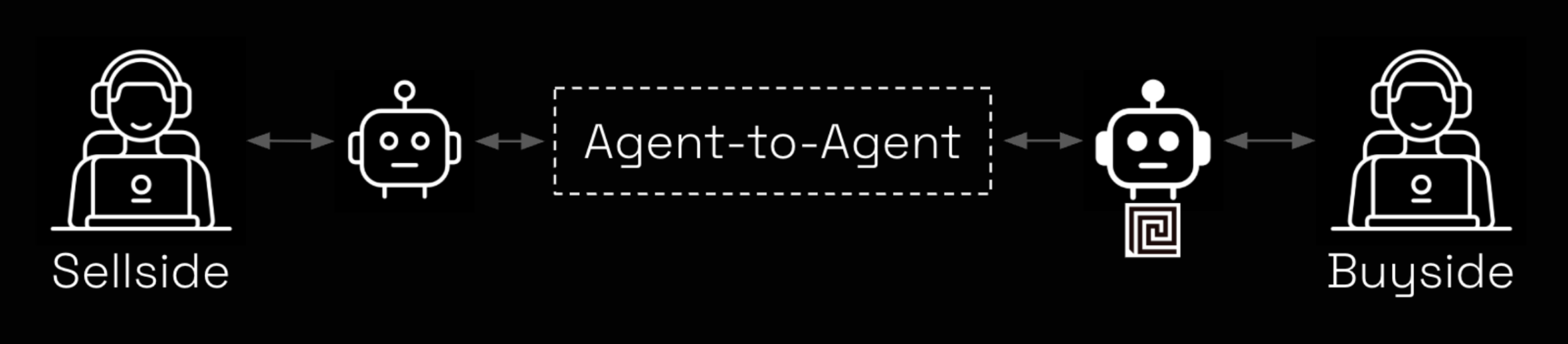
As AI compresses the labor cost of both workflows, M&A moves toward a model where each side deploys its own agent — software that operates on behalf of a principal with clearly defined objectives.
The sell-side agent prepares the data room, verifies completeness against regulatory and contractual checklists, generates marketing materials, and stages information release. The buy-side agent ingests the data room in its current state, maps document coverage against a due diligence framework, identifies gaps, generates requests for additional information, and produces a structured assessment of risk.
The negotiation between these agents becomes a protocol. The buy-side agent requests; the sell-side agent evaluates what to disclose and when. Each agent's behavior reflects its principal's strategy. Neither agent has access to the other's internal state — what documents were reviewed, which flags were raised, where confidence is low.
This isn't a marketplace. It's a pair of independent systems communicating through a structured interface, each optimizing for its own side. The air gap between them isn't a limitation of the architecture. It is the architecture.
Where This Goes: On-Premise, Fully Isolated
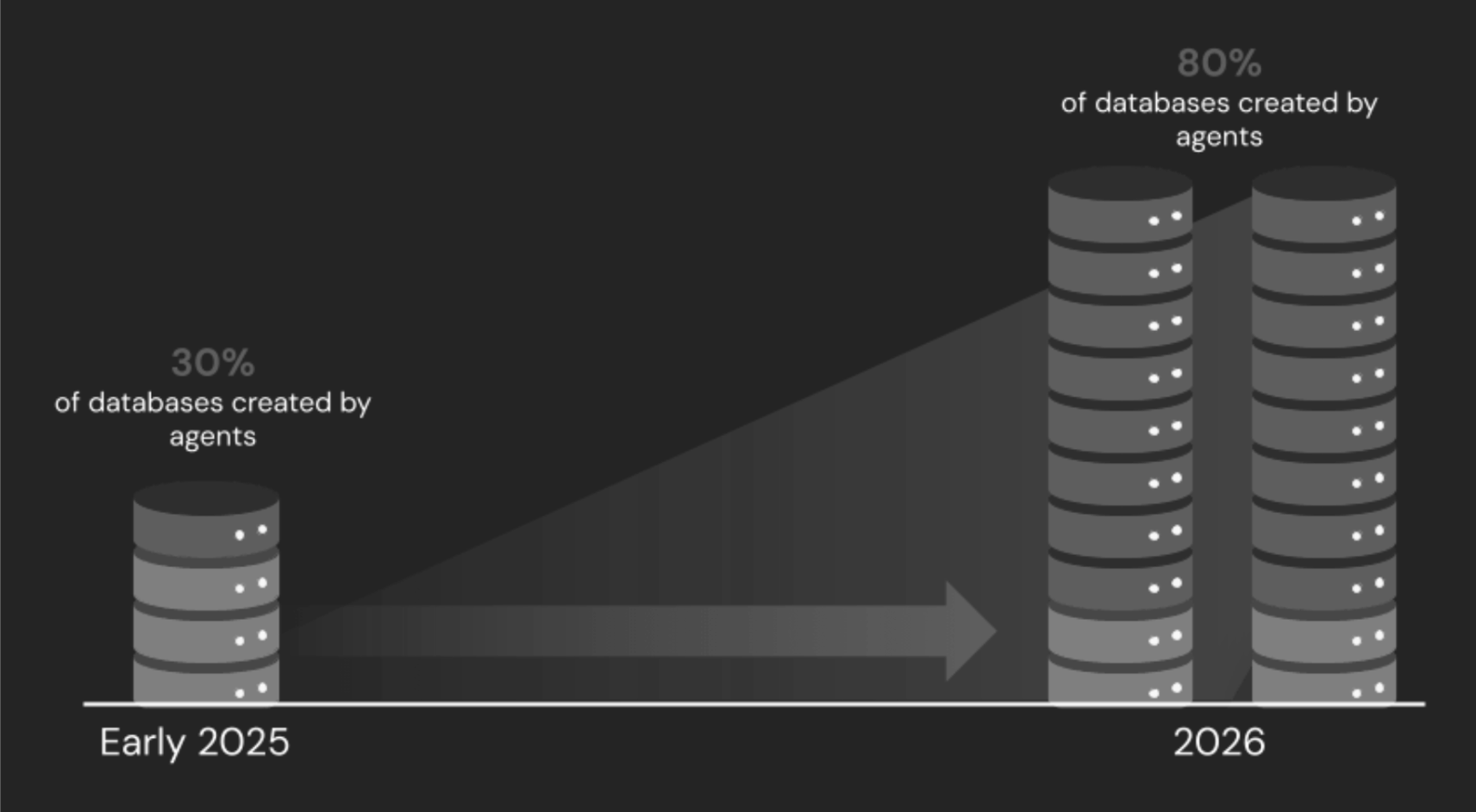
Today, Daedaline enforces logical isolation between clients. Every customer's documents, models, and analysis exist in a separate environment. No data crosses boundaries. No counterparty can observe another's activity.
The long-term trajectory pushes further. As foundation models compress — from hundreds of billions of parameters to tens of billions to single-digit billions without proportional capability loss — the deployment surface shrinks. A full due diligence agent that once required a cluster of GPUs will run on a company's internal server. Eventually, on a single workstation.
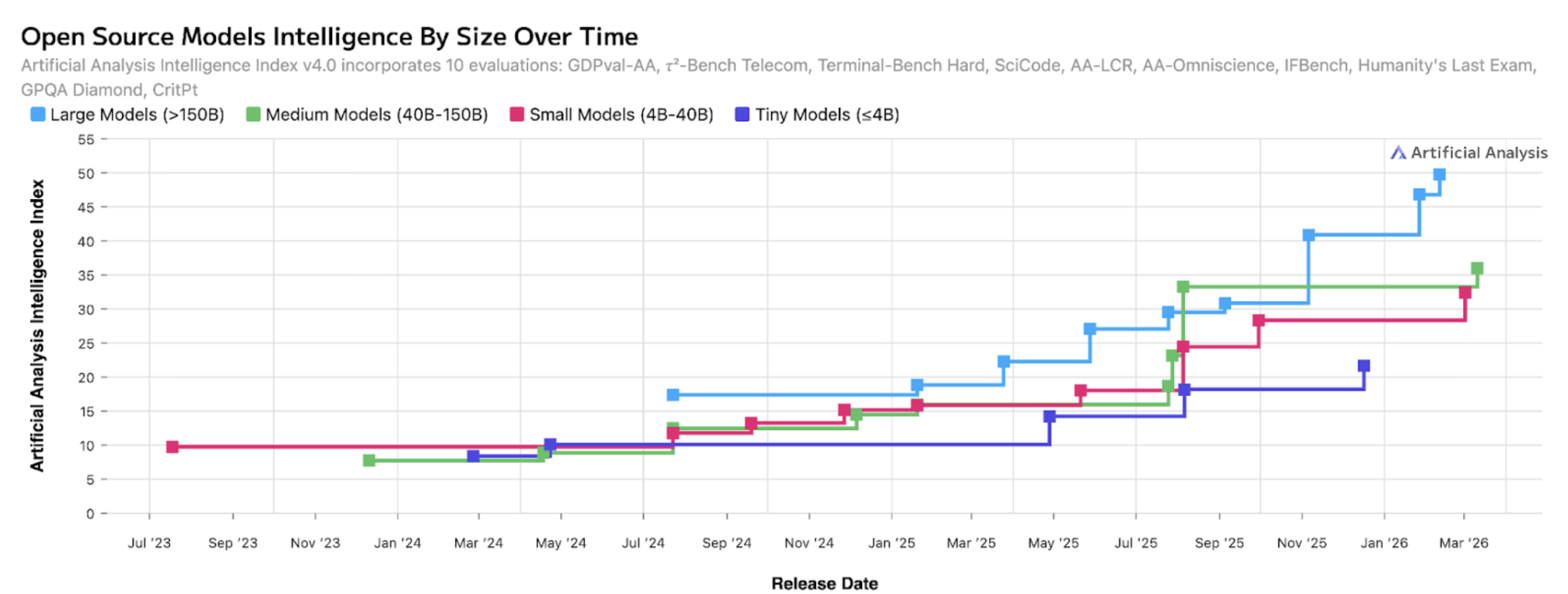
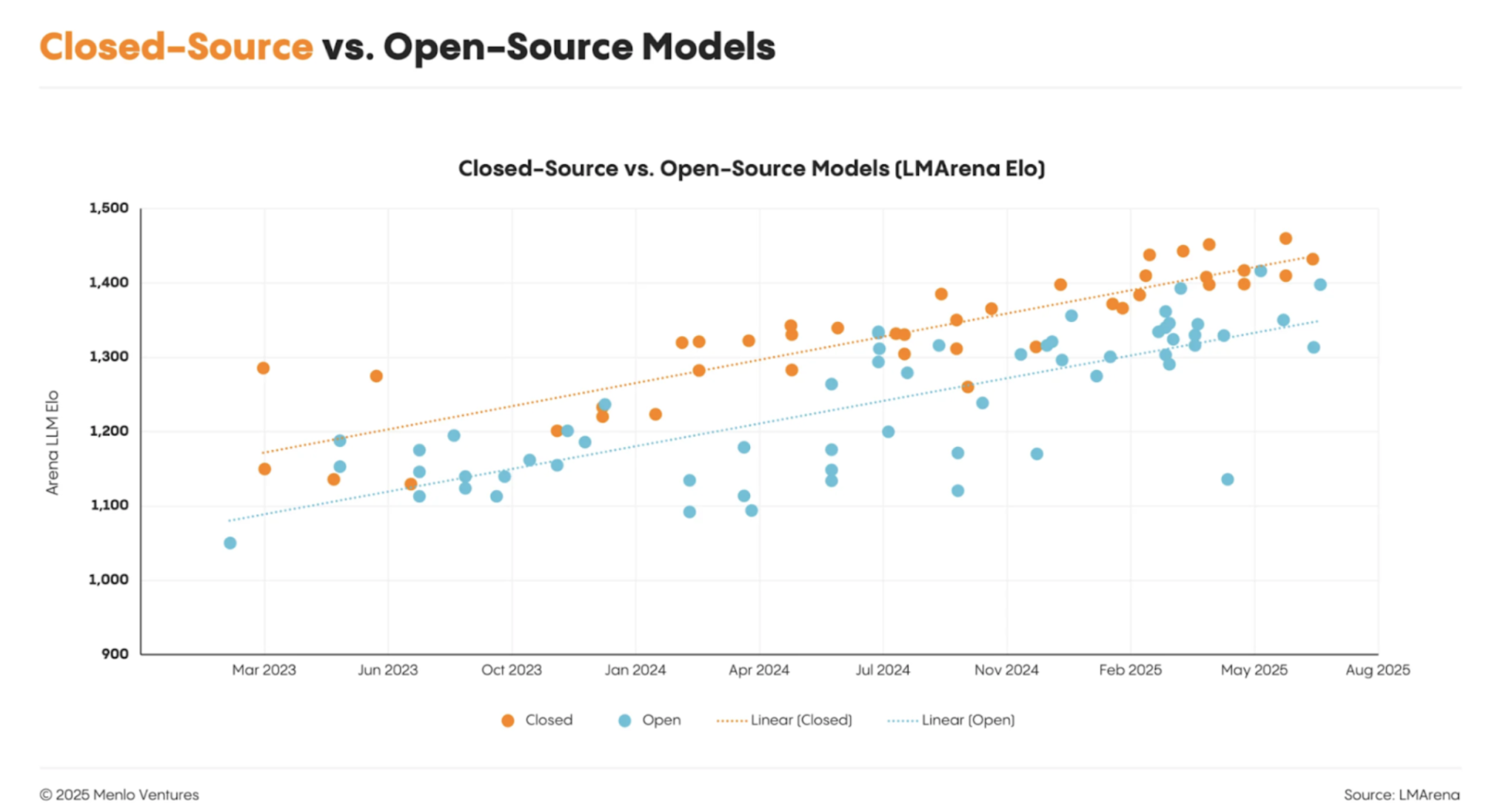
This matters because the party that controls the compute controls the information. When your due diligence agent runs on your infrastructure, under your security policies, on your network — there is no platform operator who might log your queries, no shared environment where metadata could leak, no third-party whose subpoena response might include your analytical work product.
For power infrastructure investors managing multi-billion-dollar portfolios, this isn't a nice-to-have. It's a fiduciary obligation. The information asymmetry that drives deal value depends on keeping your analysis yours.
We're building toward a world where Daedaline deploys wherever the client needs it: their VPC, their on-premise servers, their air-gapped environment. The product adapts to the security posture. The analysis stays local.
The Future Isn't a Marketplace. It's Infrastructure.
The next generation of M&A tooling won't connect buyers and sellers on a shared platform. It won't depend on a single piece of legislation for its relevance. It won't ask both sides to trust a common intermediary with their most sensitive analytical work.
It will be deployed where you are, work for your side, and remain invisible to the other.
This architecture also resolves the regulatory fragility problem. An agent-to-agent framework doesn't care which tax credit regime applies, which interconnection rules govern the queue, or which administration sets energy policy. It analyzes whatever documents exist in whatever context it finds. When the IRA structured tax credit transfers one way, the agent analyzed those transfer agreements. When the Big Beautiful Bill restructured them, the agent analyzed the new ones. The task — extracting structured insight from complex, domain-specific documents — persists across every policy regime because it operates below the regulatory layer. Platforms built around a specific rule break when the rule changes. Infrastructure built around the analytical problem adapts because the problem never changes; only the documents do.
Buyers and sellers have always wanted the same thing: better analysis, faster execution, and absolute control over what the counterparty knows. The tools that win are the ones that deliver all three — without asking you to compromise any of them.